
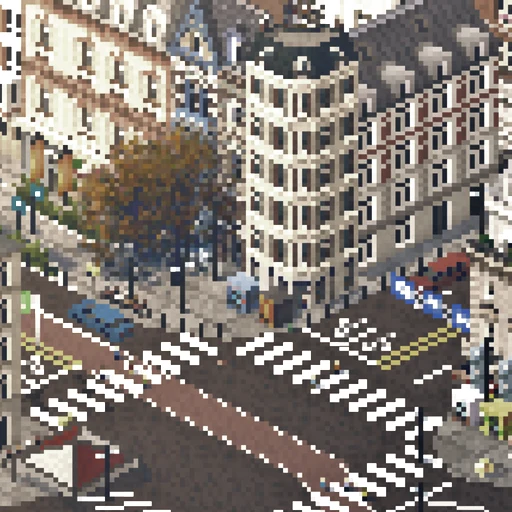
TheoTown
TheoTown is a city-building simulation focused on zoning, infrastructure, public services, and financial management. Choose from three financially constrained modes or a sandbox mode, develop map tiles into connected regions, and unlock additional buildings as your city rank rises.
App information
- Category
- Simulation
- Package name
- info.flowersoft.theotown.theotown
- Version
- 1.12.42a
- File size
- 92.1 MB
- Requires
- Android Votes:558
Screenshots
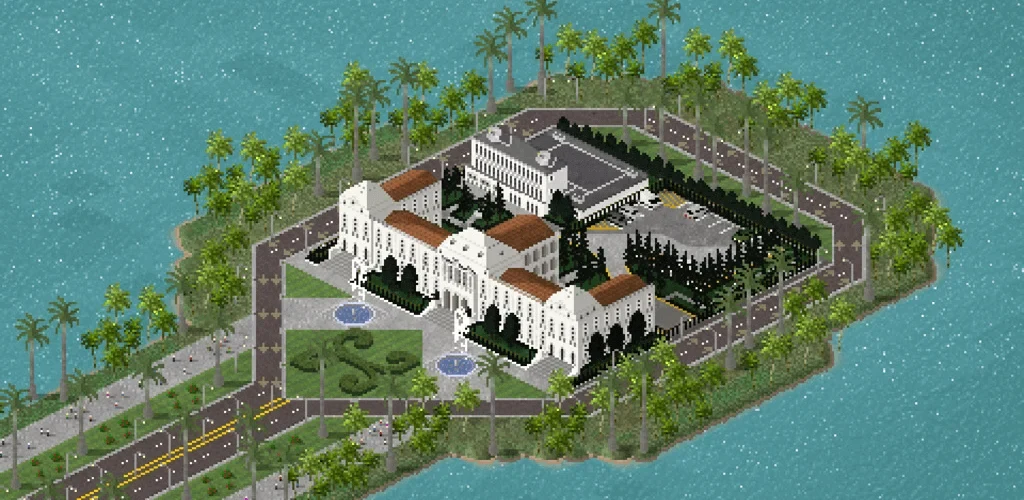
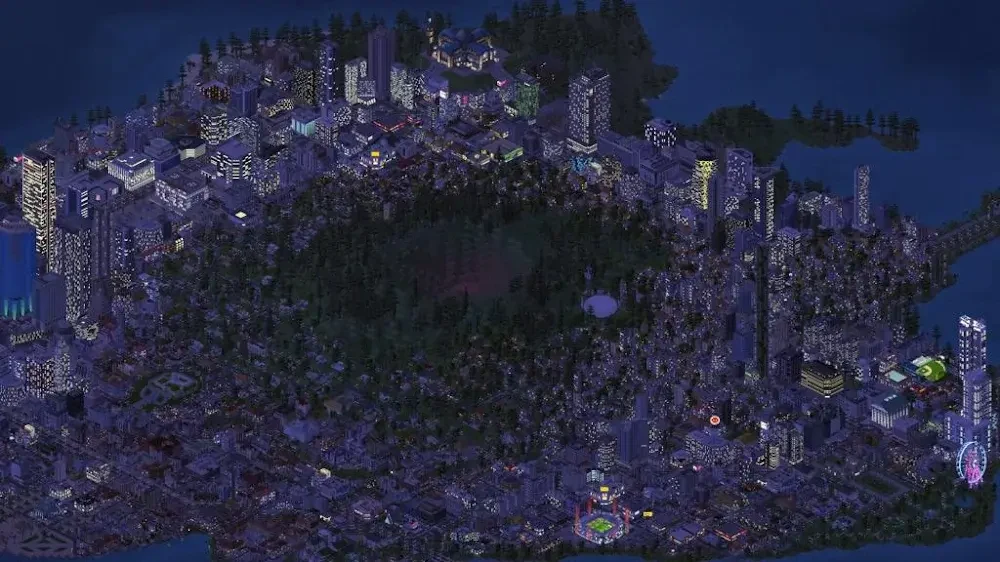
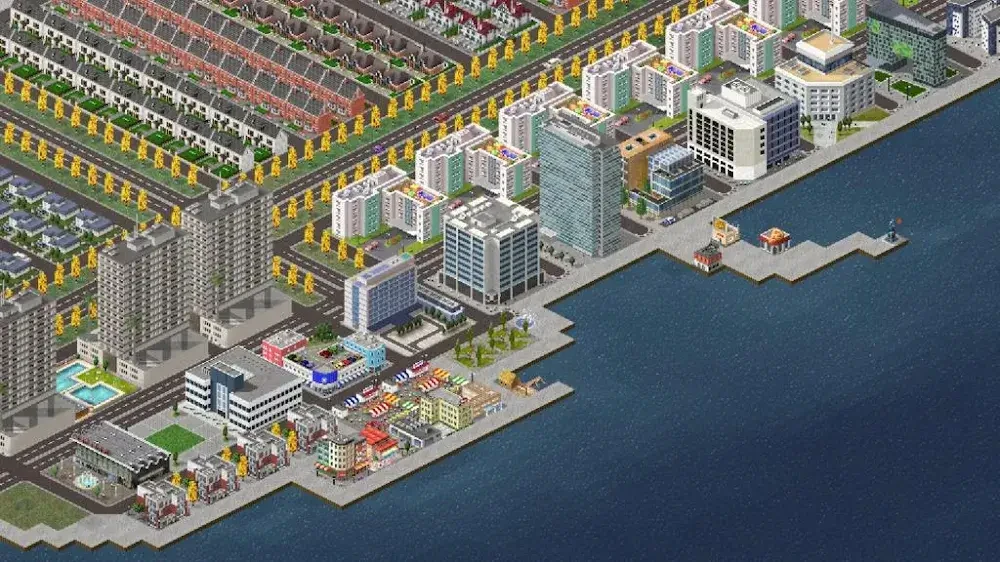
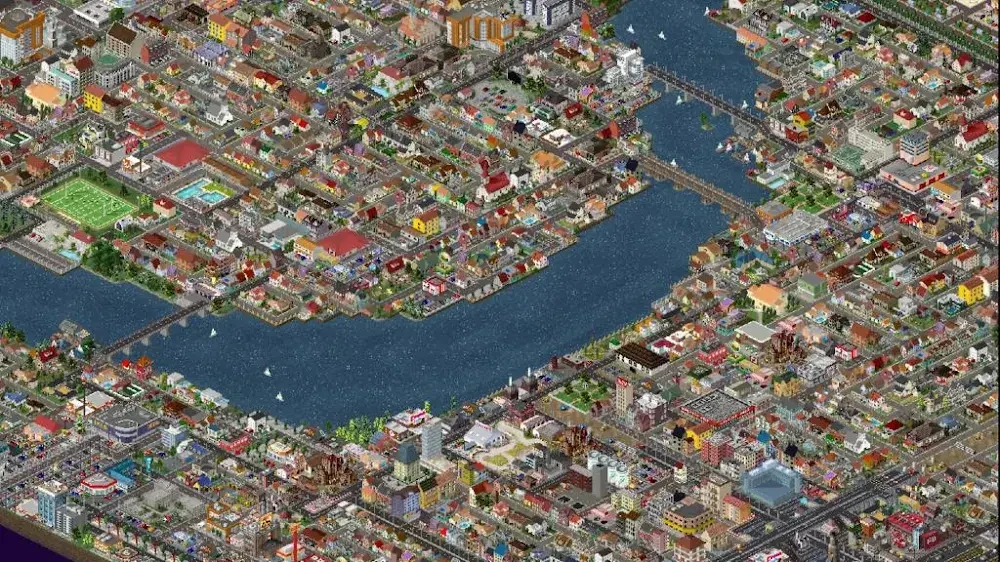
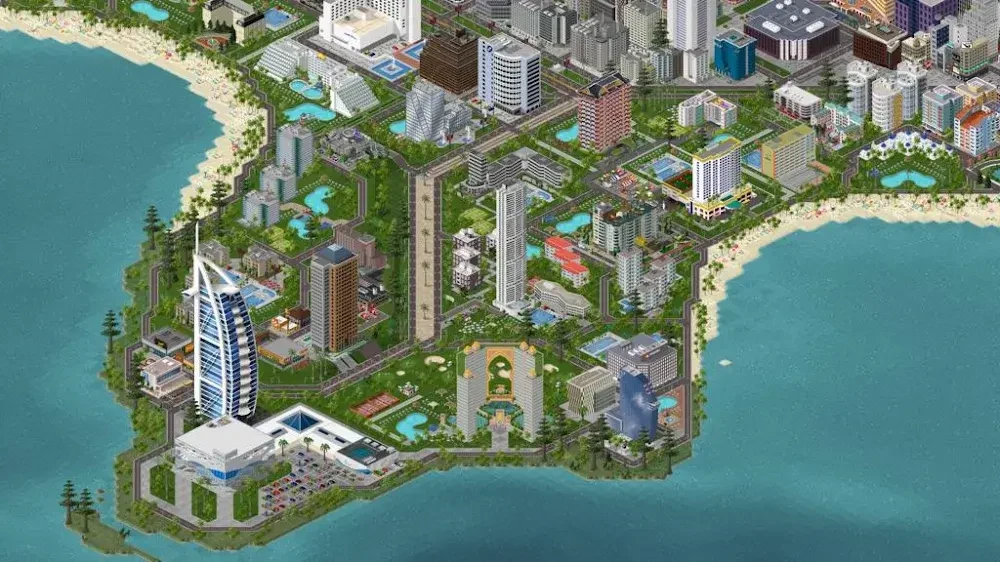
About this app
TheoTown is a city-building simulation where you plan, construct, and manage a metropolis from an undeveloped map tile. Its central activity is balancing residential, commercial, and industrial areas with roads, utilities, public services, and a city budget. The game also includes terrain editing, development ranks, separate region tiles, landmarks, and community-made plugins that expand the available building and visual options.
Choosing a mode and starting map
The game offers easy, middle, hard, and sandbox modes. In the first three modes, financial limits are part of the city-management rules: the city must operate without going into debt. Sandbox mode instead provides unlimited money and resources, giving players a different framework for planning and construction.
A new map tile can be generated from a predefined name known as a seed. Before or during construction, terrain tools can be used to shape the land, including creating hills or adding land. The source also describes heightmaps and terrain work for forming features such as rivers, hills, and plateaus. This makes the starting landscape part of the layout process rather than only a backdrop for buildings.
Using zones to organize the city
Land can be assigned to residential, commercial, or industrial categories. Industrial areas include farmland and harbours, while residential and commercial zones provide places for inhabitants and businesses to develop. Roads and other infrastructure connect these areas, and services are placed alongside them to support the needs of the city.
Services and facilities are not presented as separate decorative additions. The documented model connects them with resident demands and the development of neighborhoods. Parks, recreation, healthcare, law enforcement, fire services, and other public buildings are among the facilities used to support city life. Adjusting taxes is another management decision, because taxes are used to adapt the city budget while the city expands.
Managing money and development
In the financially constrained modes, construction and ongoing government expenses have to be considered together. The source identifies loans and government buildings with monthly prices as possible reasons for debt. Removing expensive government buildings that are not needed is given as one way to address that financial situation. Sandbox mode removes the stated money and resource limits, so it supports construction without the same budget constraint.
A city rank indicates the city's level of development. As higher ranks are unlocked, additional buildings and infrastructure become available. Residential, commercial, and industrial buildings also have levels represented by one to three Theons, the in-game currency. One Theon represents poorer inhabitants or businesses, while three Theons represents richer ones. Better services can make inhabitants and businesses richer, and the source states that richer residents and businesses pay more taxes. This connects service provision, building development, and city revenue within the simulation's documented progression.
Building transport and connected infrastructure
Transportation infrastructure can include roads, highways, railways, and later airports. Buses, trains, and planes are described as ways to move citizens and goods as the city grows. The transport feature description also connects route and capacity choices with congestion and travel time, so changing districts can require adjustments to how the transport network is arranged.
Regions consist of separate map tiles that cannot be viewed or built on as adjacent land. They can still be linked through roads, electrical connections, and water pipes, allowing resources to be shared between tiles. Online regions are described as a mode in which two or more players collaborate on one tile specifically to form a region.
Providing services during emergencies
Public services include law enforcement, healthcare, fire services, and recreation. The source states that failing to provide sufficient services may lead to events such as riots, pandemics, and fires. Natural disasters, including earthquakes and tornadoes, can also occur. These systems make service placement and coverage part of the management task, because the city must be prepared for both ordinary needs and disruptive events.
Adding landmarks and community content
As the city develops, world-famous buildings can be used as landmarks. The source also lists stadiums and different energy systems among the available customization options. These additions allow districts to be shaped around recognizable structures, sports facilities, and power arrangements while the main city plan continues to develop.
TheoTown supports hundreds of community-made plugins that add buildings, vehicles, and visual themes. Players who want to create content can use the Lua-based API to make their own plugins and share them with others. This plugin system is documented as an extension of the game's construction and customization tools rather than a separate game mode.
Version history
View all25 May 2026 · stable
Frequently asked questions
What size must a farm zone be to spawn farms?
A farm zone needs an area of at least 3×3 to spawn farms.
How can pollution be removed?
Remove the source of the pollution or place parks around it to nullify the pollution.
Can a nuclear power plant explode?
Yes. If it does not have enough water, it can catch fire and then explode. Putting out the fire prevents the explosion.
Why might residents leave the city?
The source identifies high taxes and excessive pollution as possible causes.