

Pixelup Mod
Pixelup Mod is a photo editing app for Android that uses AI to restore blurry, low-quality, or old photographs, with options for colorizing black-and-white images and removing scratches from old prints. It also includes a before-and-after swipe view, filters, animation, AI avatar creation, and direct sharing to social platforms.
App information
- Category
- Photography
- Package name
- com.codeway.pixelup
- Version
- 1.8.8
- File size
- 221.3 MB
- Requires
- Android Votes:194
Screenshots
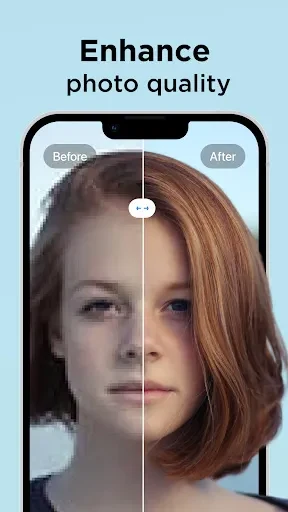
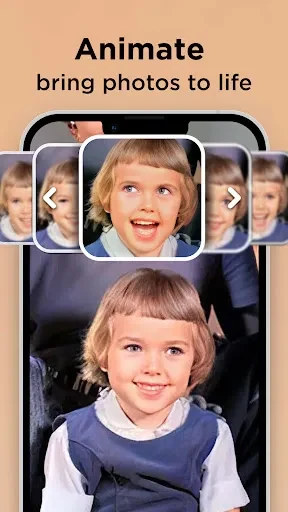
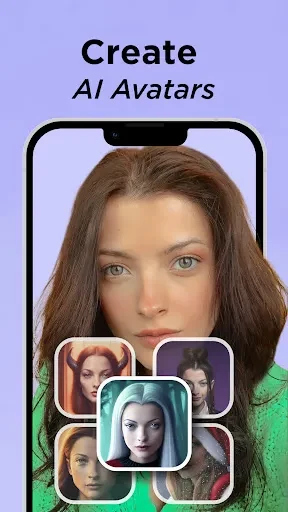
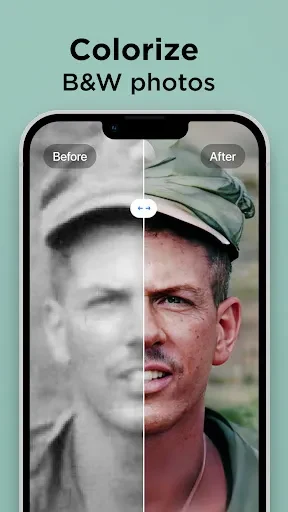
About this app
AI restoration for old and low-quality photos
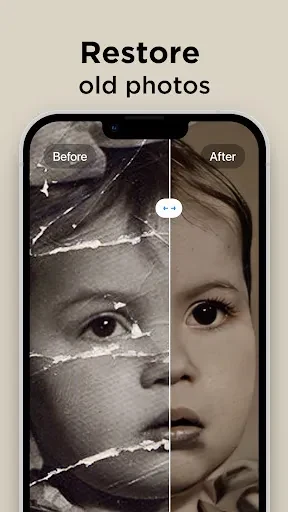
Pixelup Mod is a photo editing app listed in the Photography category, with version 1.8.8 named in the supplied information. Its core purpose is restoring photographs that are blurry, low in quality, or old. According to the description, you select the photo you want to work with, wait a few seconds for the app to process it, and then view the restored version. The description presents the result as a digital restoration rather than a simple filter, which is the main distinction the app draws for its processing.
The description names Codeway Dijital as the publisher. It also states that the app relies on built-in artificial intelligence to turn ordinary photos into sharper, higher-definition images on an Android device. Because the description does not explain the underlying processing in technical detail, the most reliable way to understand the app is through the controls and results it documents.
Treatments for different photo problems
The description says the app offers different treatments depending on the condition of the photograph. Users choose the relevant mode from the restoration options. Colorizing is available for black-and-white photos, and the description notes that the resulting colors may not correspond to reality. A separate option handles scratches on old paper prints. Other options cover adding sharpness to a photo and restoring an older image.
Because each treatment targets a specific problem, the choice of mode shapes the result. A faded family snapshot and a scanned black-and-white print, for example, call for different options. The source also mentions removing unwanted white or yellow spots and cleaning up blurry, patchy, or messy photos, which fall under the same general restoration workflow.
Comparing the original and the restored image
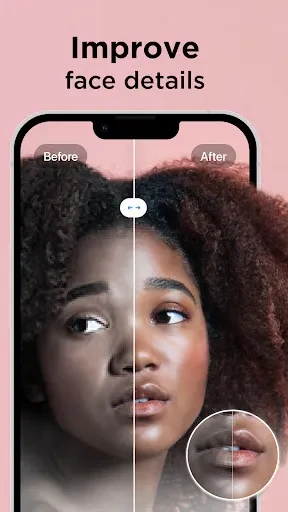
After processing, the app lets you compare versions by swiping the screen from side to side. This view shows how the photo looked before restoration and how it looks afterward. The comparison is a practical way to judge whether a given treatment suits the image, especially when a colorized or sharpened result needs a closer look against the original.
Adjusting brightness, sharpness, and filters
Beyond restoration, the description lists a set of controls for refining photos. These include adjusting brightness and sharpness, changing lighting and backgrounds, and applying color filters. The description gives the example of increasing brightness on a blurry photo or adding a unique color filter. It also mentions a range of built-in highlighting tools for managing how photos look after enhancement.
The app also offers filters and overlays. The description suggests using them to add a vintage tone to older memories or to bring out detail in a newer photo. To apply one, you tap the icons on the screen. The source describes these editing operations as simple to access, but it does not list every available filter or overlay, so the exact selection should be checked in the app itself.
Animation and AI avatars
The description documents two creative tools that build on enhanced or colorized images. The first is animation, which the source describes as bringing still photos to life. After enhancing and colorizing an image, you save it, open the Animate section, choose the photo, select an animation, and wait for the app to apply the effect. The result can be saved to your gallery.
The second is AI avatar creation. The app creates avatars from photos in your gallery and provides several variations. Customization options mentioned in the source include facial expressions, hairstyles, and accessories. The description also states a limitation: avatar outputs are likely to contain inaccuracies and defects. To improve the results, the source recommends uploading 10 to 20 photos of yourself with good lighting, varied backgrounds, and different facial expressions.
Saving and sharing your results
When editing is finished, you can save the photo to your device or share it. The description says the app supports sharing with one tap to Instagram, TikTok, Snapchat, and Facebook, as well as sending images to a chat group. The source also describes the interface as intuitive, although this is a general description rather than a measured usability result.
How the tools fit together
The features are best understood as stages in one workflow. A typical sequence, based on the description, starts with enhancing a low-quality or old photo, optionally colorizing a black-and-white image, saving the result, and then using the animation tool or sharing the image. Each stage is designed to build on the previous one, so the restoration step generally comes first. The description also suggests experimenting with different enhancement filters to find the most suitable look for each photo.
Pixelup Mod is therefore best suited to people who want to restore, recolor, or refresh existing photographs and then use the results in creative or social contexts. Its documented strengths are the restoration treatments, the before-and-after comparison, and the sharing options. Its documented limitations are that colorized results may not match reality and that AI avatar outputs may contain inaccuracies.
Version history
View all18 Jul 2025 · stable